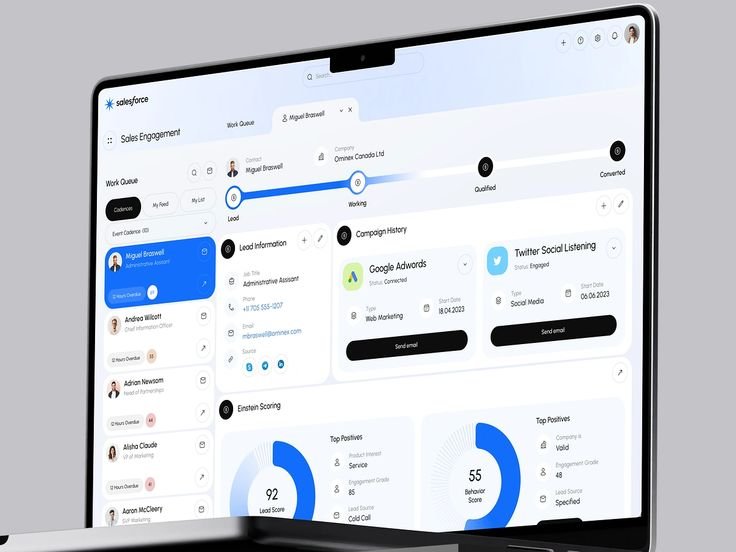
Software as a Service (SaaS) has transformed how organizations consume and manage software. Instead of installing applications on local systems, businesses can now access powerful tools via the internet through subscription-based models. This shift has made SaaS one of the most popular and scalable software delivery approaches.
One of the biggest advantages of SaaS is cost efficiency. Traditional software requires significant upfront investment in licenses, infrastructure, and maintenance. SaaS eliminates these costs by offering flexible pricing, allowing businesses to pay monthly or annually based on usage.
Scalability is another major benefit. SaaS platforms can easily adapt to changing business needs. Whether a company is growing rapidly or downsizing, SaaS solutions can scale resources without requiring complex upgrades or hardware changes.
SaaS also enables seamless collaboration. Cloud-based tools allow teams to work together in real time, regardless of location. This is especially valuable in remote and hybrid work environments, where accessibility and collaboration are essential.
Security and maintenance are handled by the SaaS provider, reducing the burden on internal IT teams. Providers regularly release updates, patches, and new features, ensuring users always have access to the latest version of the software.
In conclusion, SaaS has become the backbone of modern business operations. Its flexibility, affordability, and accessibility make it an ideal choice for organizations seeking agility and efficiency.